

African Fashion Weeks: What african runways really reveal about the industry of tomorrow
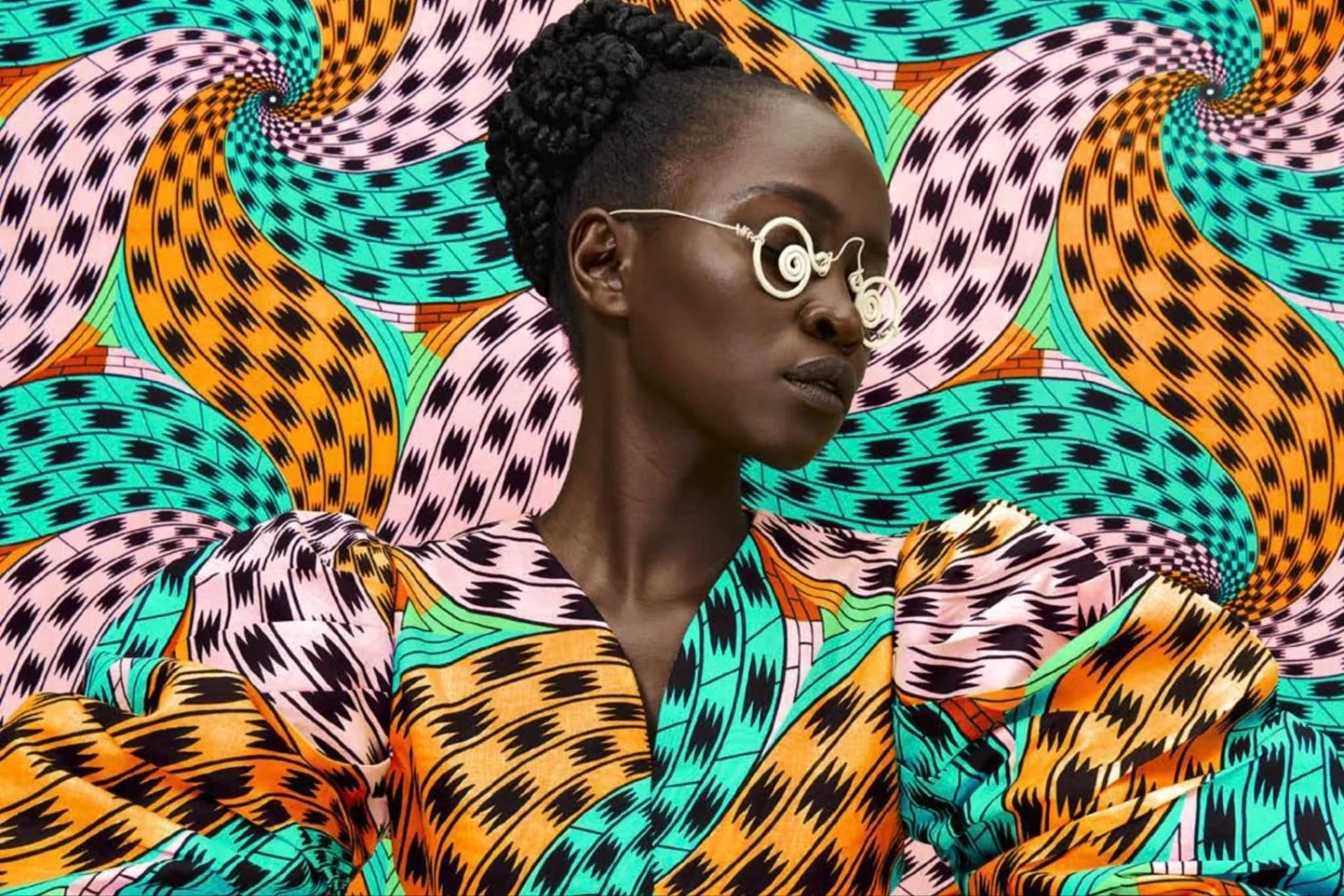
For a long time, African fashion weeks were viewed as cultural showcases. Inspiring, vibrant, sometimes folklorised. Rarely analysed for what they are nevertheless becoming: leading economic indicators of a structuring African creative industry.
At BAICI (Business of African Industry & Creative Influence), we start from a simple premise: what is not measured does not exist economically. And yet, dozens of African fashion weeks are already outlining the contours of a real, dynamic, and strategic market.
From visibility to value: A paradigm shift
Lagos Fashion Week, Dakar Fashion Week, South African Fashion Week, AFI Fashion Week, Casablanca Fashion Week… These events are no longer just stages for creativity. They have become:
– platforms for discovering export-ready talent
– meeting points for designers, buyers, investors, and brands
– laboratories of local trends with global reach
Lagos Fashion Week, for example, now attracts major banking sponsors, pan-African financial institutions, and international brands. A clear signal: business has joined style.
What African fashion weeks reveal (when we look at them through data)
Through their programming, partnerships, and audiences, African fashion weeks reveal several key truths:
1. A hyper-connected creative youth
With over 60% of Africa’s population under the age of 25, fashion weeks are becoming sensors of new aesthetics, hybrid, digital, and often ahead of mature markets.
2. A confident move upmarket
African haute couture, luxury craftsmanship, identity-driven storytelling: African designers are no longer seeking Western validation. They are building their own codes of desirability.
3. Growing attractiveness for international brands
When luxury groups, beauty houses, or premium sponsors align with these events, it is no longer out of exoticism…it is strategy.
The African paradox : global influence, locally under-captured value
Africa inspires the runways of Paris, Milan, and New York. Yet it still captures only a marginal share of the economic value generated.
Why? Market fragmentation, sector informality, lack of consolidated data. The result: brands often move forward blind. That is precisely where BAICI comes in.
BAICI & African Fashion Weeks : Documenting to Build Structure
Our ambition is not to cover fashion weeks as lifestyle events, but to analyse them as economic assets:
– mapping African fashion weeks
– analysing sponsors, partners, and business models
– identifying designers with international potential
– reading trends by market and by geographic zone
Fashion weeks are barometers. BAICI turns them into tools for strategic intelligence.
Why this “African fashion week” section now?
Because Africa is today the last major growth frontier for the creative industries and luxury.
Because African fashion weeks are becoming hubs of influence, data, and business.
Because it is time to move from narrative to proof.
This section will analyse, compare, and contextualise. Without complacency. With rigour. And always with one conviction:
African fashion is not a trend. It is an industry in the making.
BAICI — structuring the economic value of African creativity.