

Made in Africa : Fashion Retail in the Age of Afrothenticity
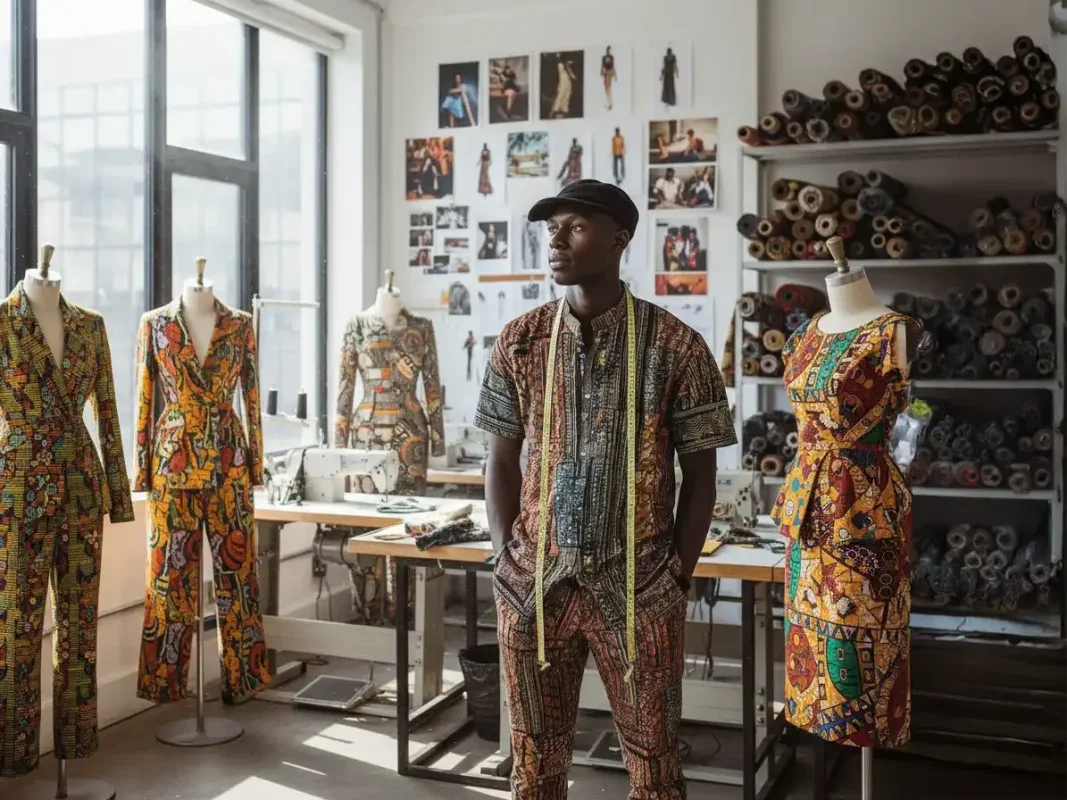
65% of African consumers prefer to buy locally made clothing. "Made in Africa" is no longer a slogan. It's a competitive advantage.
The African fashion industry still represents only 1.82% of the global market. But behind this modest figure lies an explosive trajectory. Nigeria alone contributes USD 6.1 billion to GDP through its fashion industry. South Africa posts 10% annual growth in the sector. And African designers are no longer playing on the margins: they're redefining global luxury codes.
The New Names That Matter
Thebe Magugu, Maxhosa by Laduma, Orange Culture, Tongoro Studio: these brands are no longer exotic curiosities presented in Fashion Week sideshows. They're on the main calendar. The 2025 Africa Cup of Nations in Morocco propelled this visibility: Côte d'Ivoire's Elephants in Kita trench coats by Elie Kuamé, DRC dressed by Alvin Junior Mak. Sports as fashion showcase—a strategy European luxury knows well. The 2025 Met Gala theme, "Superfine: Tailoring Black Style," consecrates this rise. African aesthetics no longer just influence trends: they create them.
Creative Hubs: Lagos, Nairobi, Cape Town
Lagos attracts over 4,000 attendees and 60+ designers to its Fashion Week, connecting African talent with international markets. Nairobi is positioning itself on sustainability with brands using recycled materials and local craftsmanship. Cape Town is structuring its textile industry through the Cape Clothing and Textile Cluster, targeting 20,000+ jobs via local sourcing. Abidjan is emerging as the francophone hub, with designers like Elie Kuamé positioning African "prêt-à-couture" as a luxury segment in its own right.
The Shein/Temu Threat: Opportunity in Disguise?
Shein and Temu are gaining ground in Africa with ultra-low prices and Gen Z-targeted TikTok marketing. But this offensive also reveals a gap: African consumers remain attached to local authenticity. 65% say they prefer buying African to support local production. For African brands, the answer isn't competing on price. It's capitalizing on what Shein can't offer: story, craftsmanship, identity. Kente, Ankara, Shweshwe aren't prints. They're heritage.
The Scaling Challenge
70% of African designers struggle to access financing. 60% cite logistics as a barrier to international expansion. The industry has talent. It lacks infrastructure. Platforms like Afrikrea (which recorded +60% international sales) and government initiatives like Ethiopia's Hawassa Industrial Park show the way forward.
The BAICI Takeaway
Can African fashion become a USD 50 billion industry? The fundamentals are there: demographic youth, globally sought cultural authenticity, sustainability leadership. What's missing: structured supply chains, accessible financing, and a regional rather than national vision. The brands that succeed will be those thinking "continent" from day one. "Made in Africa" isn't a marketing label. It's a value proposition.
Sources & Methodology
• African Leadership Magazine - Global Impact of African Fashion 2025
• Business of Fashion - Retailers Unlocking Africa's Luxury Market
• Sagaci Research - Fashion in Africa: Consumer Insights 2025
• African Fashion International - Trends Report 2025
• African Development Bank - Fashion Industry Financing Report
• FashionNetwork - CAN 2025 African Fashion Coverage
Data presented in this article comes from institutional sources and recognized market research. BAICI is committed to verifying the accuracy of all published information.